Yen Bai City Promotes Spiritual Tourism in Tandem with Cultural Preservation

In recent years, Yen Bai City has actively developed spiritual tourism through traditional sacred festivals held at temples and pagodas, drawing large numbers of locals and visitors. These activities not only honor spiritual values but also contribute significantly to preserving national cultural and historical heritage.
Currently, Yen Bai City is home to 24 historical relics, including three nationally recognized revolutionary heritage sites and 21 provincial-level sites (comprising four revolutionary relics and 17 temples and pagodas). Early spring festivals at these sacred locations attract approximately 10,000 visitors who come to pay homage, admire the scenery, and pray for fortune and peace.
A prominent spiritual landmark is Nam Cuong Mother Goddess Temple, originally constructed in 1923. It is dedicated to the Holy Mother Linh Tu, Tran Dynasty’s Saint Hung Dao Dai Vuong, and Princess Lieu Hanh, reflecting the people's reverence and prayers for blessings and peace. After a period of historical upheaval, the temple and communal house of Nam Cuong were restored in 1998 with community contributions, maintaining their traditional architectural style. In 2005, the Nam Cuong Temple and Van Thang Pagoda in Nam Cuong Ward were officially recognized as provincial cultural and historical heritage sites by the People's Committee of Yen Bai Province.
Annually on the fifteenth day of the first lunar month, the Nam Cuong Mother Goddess Festival is held with solemn rituals and vibrant festivities. The ceremony begins with a procession and incense offering to the Holy Mother Linh Tu and the Buddha, praying for favorable weather and peace for the people. A notable ritual is the symbolic "release of birds for peace,” expressing a deep spiritual connection between humanity and nature. The selected family entrusted with this meaningful act must be well-respected, prosperous, and raise successful, virtuous children. Twelve doves are released, symbolizing the hope for peace and happiness throughout all twelve months of the year.
Following this ritual is a longevity ceremony honoring elderly residents, exemplifying the Vietnamese tradition of "respecting the elderly and loving the young." The ward also presents awards to outstanding students and conducts a ceremonial release of fish at the central lake, symbolizing wishes for happiness and success in the new year. One of the most anticipated events of the Nam Cuong Temple Festival is the traditional boat race, attracting widespread participation. The race not only promotes physical health but also strengthens community solidarity and inspires optimism for a better future.
According to Nguyen Ngoc Ha, Secretary of the Nam Cuong Ward Party Committee, although the Nam Cuong Temple – Communal House – Pagoda Complex was severely damaged by Typhoon No. 3 in 2024, the ward proactively proposed and received approval from the city to renovate the facilities. This initiative ensured that the festival could still take place, catering to the cultural and spiritual needs of locals and visitors alike. The restoration has given the area a renewed and dignified appearance, particularly the temple grounds and surrounding lake embankments.
In addition to traditional activities, the 2025 festival featured new highlights, such as Quan Ho folk singing performed on boats, floating stages, and bridges. These innovations enriched the festival, embedding deep historical and cultural significance and leaving a lasting impression on both residents and tourists.
Situated on the left bank of the Red River in Yen Ninh Ward, Tuan Quan Temple has long been a sacred site where Buddhist devotees from near and far gather to offer prayers. It is regarded as a must-visit destination during the spiritual tourism season each spring. Every year on the 3rd day of the 3rd lunar month, the temple hosts the Mother Goddess Commemoration Festival to pay tribute to the revered deity Lieu Hanh, attracting thousands of pilgrims and visitors.
Do Minh Tram, a resident of Yen Ninh Ward, shared, "My family has always maintained the tradition of visiting temples and pagodas at the beginning of the year or during Mother Goddess festivals to pray for blessings and prosperity. As an offering, I present incense, flowers, and tribute items in the hope that our family will be healthy, happy, and safe."
Over the course of history, Tuan Quan Temple has served not only as a spiritual and cultural hub but also as a site of national significance. It witnessed many pivotal events and became a rallying point for patriotic revolutionaries during times of resistance. Recognized in 2005 as a provincial cultural and historical heritage site, the temple continues to preserve both tangible and intangible cultural artifacts. Following the ceremonial offerings and incense rituals, the festival features vibrant folk games and cultural activities, including altar display contests, tug of war, Chinese chess, stick pushing, and blindfolded duck catching. These lively traditions contribute to the festive atmosphere and foster cultural exchange among the broader community.
Luong Xuan Quyet, Chairman of the People's Committee of Yen Ninh Ward, emphasized, "Maintaining and organizing these festivals is essential not only for preserving the unique Mother Goddess worship culture of our people but also for inspiring local authorities and communities to fulfill their responsibility in protecting and promoting cultural heritage in tandem with tourism development."
The sacred traditional festivals held at temples and pagodas across the city continue to amplify intangible cultural values. These include rituals and spiritual practices closely tied to historical and cultural sites such as Tuan Quan Temple (Yen Ninh Ward), Ba Ao Trang Temple (Hop Minh Ward), and Nam Cuong Temple (Nam Cuong Ward). Through these efforts, Yen Bai City is working toward building regional tourism linkages and offering cultural-historical tours, scenic sightseeing, and spiritual experiences, making the city an increasingly attractive destination for domestic and international visitors.
Bui Minh

Có thể bạn quan tâm

Tin cùng chuyên mục

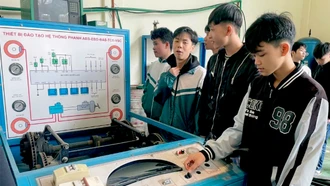
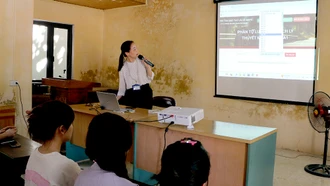
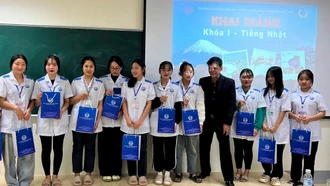
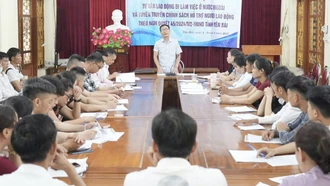
Yen Bai Organizes Career Counseling – Enrollment – Employment Fair for Students at Educational Institutions across the Province.

Yen Bai Recruits and Trains 81,504 People in Vocational Education

Since 2021, Yen Bai Province has recruited and provided vocational training for 81,504 people. Of these: 6,359 people (7.8%) received college-level training, 12,710 people (15.6%) received intermediate-level training, and 62,435 people (76.6%) received elementary-level training or training under three months. Each year, the province has supported vocational training for 4,000 to 5,000 rural laborers.
To date, the province has issued 103 planting area codes, covering over 1,165 hectares.

Yen Bai Issues 103 Planting Area Codes

In the first six months of 2025, Yen Bai Province issued two new planting area codes for domestic consumption. To date, the province has granted a total of 103 planting area codes, covering over 1,165 hectares.
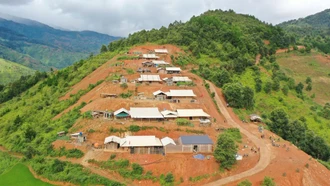
The Hong Nhi Pa Hamlet Resettlement Area, Lao Chai Commune.

Reviving Life After Natural Disasters

After suffering severe losses from flash floods and landslides in recent years, the people of Mu Cang Chai District have seen their lives gradually stabilize thanks to the determined involvement of local Party committees, authorities, and the united support of the wider community. New, spacious houses have risen to replace the ruins left by disasters, opening a new chapter of sustainable recovery in the remote highlands.
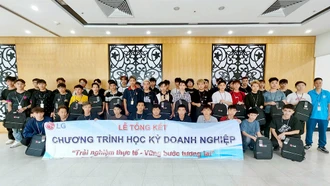
Students of Yen Bai Vocational College participating in the practical experience program of the enterprise semester in Hai Phong City.

Yen Bai: Over 1,200 Workers Connected and Recruited to Work at Enterprises in Hai Phong

Recently, Yen Bai Province has strengthened its cooperation between vocational education institutions and leading enterprises in Hai Phong through the signing of cooperation agreements. In cooperation on employment consulting, job referral, and labor supply with enterprises in Hai Phong City, Yen Bai Province has connected and recruited over 1,200 workers to work at businesses based in Hai Phong.
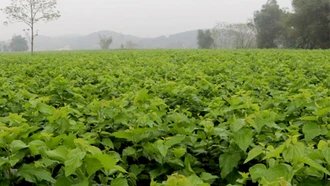
The mulberry cultivation and silkworm rearing model is generating income for farmers in Tran Yen District.

Tran Yen Aims to Expand Mulberry Cultivation to 1,200 Hectares by the End of 2025

Identifying mulberry cultivation and silkworm rearing as key sectors in agricultural development, Tran Yen District has recently focused on actively transforming its mulberry and silkworm production areas to enhance product value. Despite significant damage caused by Storm No. 3 in 2024, Tran Yen has set out multiple solutions to achieve its goal of cultivating 1,200 hectares of mulberry by the end of 2025.
With a range of comprehensive solutions, Yen Bai is enhancing its appeal to attract investors in the tourism sector.

Yen Bai Approves 26 Tourism Projects for Investment

In an effort to effectively develop tourism based on its natural and cultural resources, Yen Bai Province has recently focused on promoting and selectively showcasing its potential and strengths. The province has placed particular emphasis on infrastructure investment, especially in key tourism areas, to attract and invite investors.
People of Yen Bai actively participate in physical exercise and sports to improve their health.

Yen Bai: 45.5% of the Population Regularly Engages in Physical Exercise and Sports

In recent years, the movement of physical training and sports in Yen Bai Province has seen vibrant and rapid development, spreading widely throughout the local communities. Mass sports have flourished, and the number of people regularly participating in physical exercise and sports has steadily increased. Ethnic sports and traditional folk games continue to be preserved and promoted.
Local residents actively participate in cultural and artistic activities, enriching their spiritual life.

Yen Bai: Proportion of “Cultural Families” Increases by 9.1% Compared to the Beginning of the Term

In recent years, Yen Bai has made significant and comprehensive progress in building local culture and promoting human development, contributing effectively to the province’s sustainable growth. These achievements have also enhanced the efficiency of State management in the field of culture amid the challenges of a market-oriented economy and international integration.
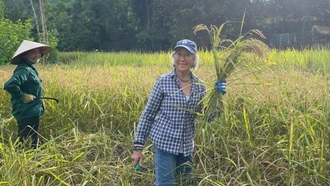
Tourists experience rice harvesting with local residents in Vu Linh Commune, Yen Binh District.
Combining Culture and Nature in Tourism Development

Blessed with pristine natural landscapes and a rich repository of ethnic cultural heritage, Yen Binh District in recent years has been gradually harmonizing conservation and development by building three pillars of tourism: placing people at the center, nature as the foundation, and culture as the identity — all aimed at sustainable growth.
Tourism establishments across the province are enhancing green, clean, and beautiful landscapes to attract summer visitors.

Yen Bai Ready for a Vibrant Tourism Season

Summer is a peak time for travel, entertainment, and recreation. To meet increasing visitor demand, Yen Bai Province has, from the beginning of each year, implemented various tourism promotion measures, strengthened state management in the sector, and encouraged businesses and individuals to develop tourism products and enhance technical infrastructure — all with the aim of attracting more tourists than in previous years.
More spacious and modern houses are appearing in the highlands of Yen Bai.

No More “Blank Spots” in New Rural Development – A New Look for Mountainous Areas

There are no longer any "blank districts" in new rural development (NRD) — a remarkable achievement recently attained by Yen Bai Province, marking a significant milestone in the journey toward building prosperous and happy rural areas. The dramatic transformation of localities, particularly highland districts once faced with immense hardships, has affirmed the province’s correct direction and the spirit of unity and collective effort shared by the Party, government, and all ethnic communities in the province.
fb yt zl tw